

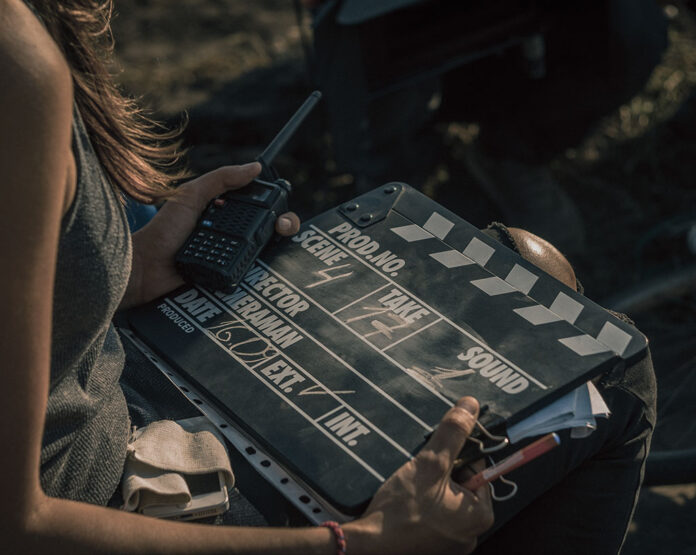
It is a phrase that you hear often as you prepare to embark on your directing journey. It is an imperative role for any production. The first assistant director. Most often referred to as the 1st AD.
History
The role has always existed but was far more encompassing than today, covering all aspects of filmmaking including script editing. They were literally an assistant to the director and would therefore need to be well versed in all areas of production to help them in whatever field they needed. It was always seen as an essential stepping stone to becoming a director. Two 1st AD’s that later found success as directors in their own right were Akira Kurosawa and Alfred Hitchcock.
This all encompassing aspect has now changed, with the role of the 1st AD being much more specific. It has become such a required position today that many stay as 1st AD’s their entire career.
Duties and Responsibilities
The 1st AD is responsible to the director and runs the floor of the set. This means ensuring everyone is in place, that the production is on schedule, and to be the first point of contact for the crew. Through their experience, they determine how long a scene or shot is going to take to shoot. Such is their responsibility for this, if a major shoot falls behind schedule, it is often the 1st AD who is replaced.
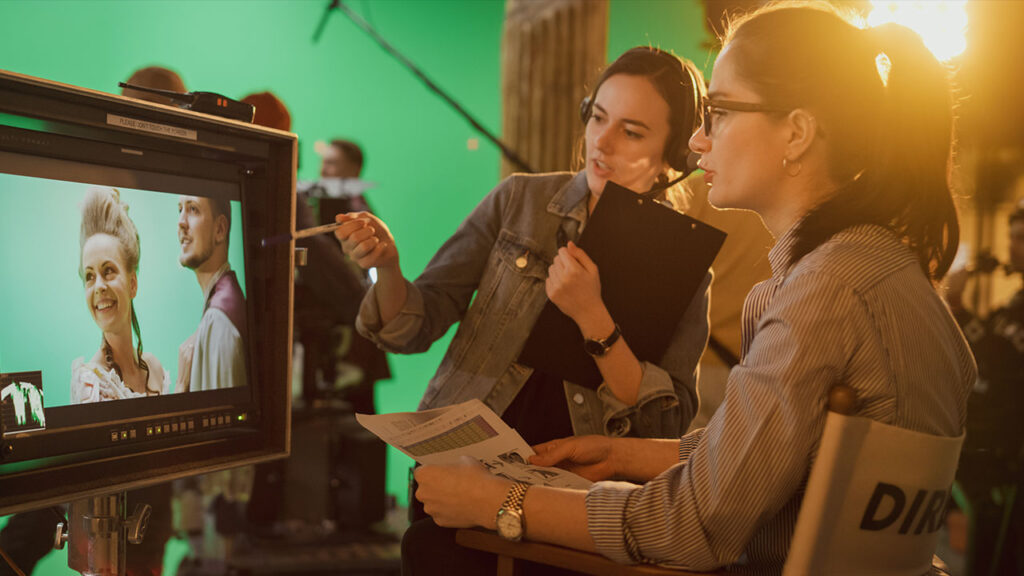
A key distinction between the 1st AD and the director is in the shooting of any shot. Contrary to the movie version of events, the director does not shout “action” at the start of a scene or shot. That responsibility sits with the 1st AD. They call “action”, and the director decides when the shot or scene take is done by shouting “cut”. Sometimes, a 1st AD might defer “action” to a director, but only when it is the first “action” of the production, as the director might want to start the ball rolling. However, more often than not, the 1st AD calls every “action” on a set. To do this, they check with the crew to confirm silence on set and that the camera is set. Only when they are happy the camera can roll, do things proceed.
After the director says “cut” it will be the 1st AD who checks with the crew that the footage was recorded with no technical issues. They will mark the take as good and liaise with the director on how many more takes they are allowed before they have to move on. All based on the schedule the 1st AD has produced for everyone, including the director.
First for a Reason
The 1st AD is one of the highest below the line technical roles in filmmaking (as opposed to creative or “above the line” roles) therefore, their role is considered non-creative.
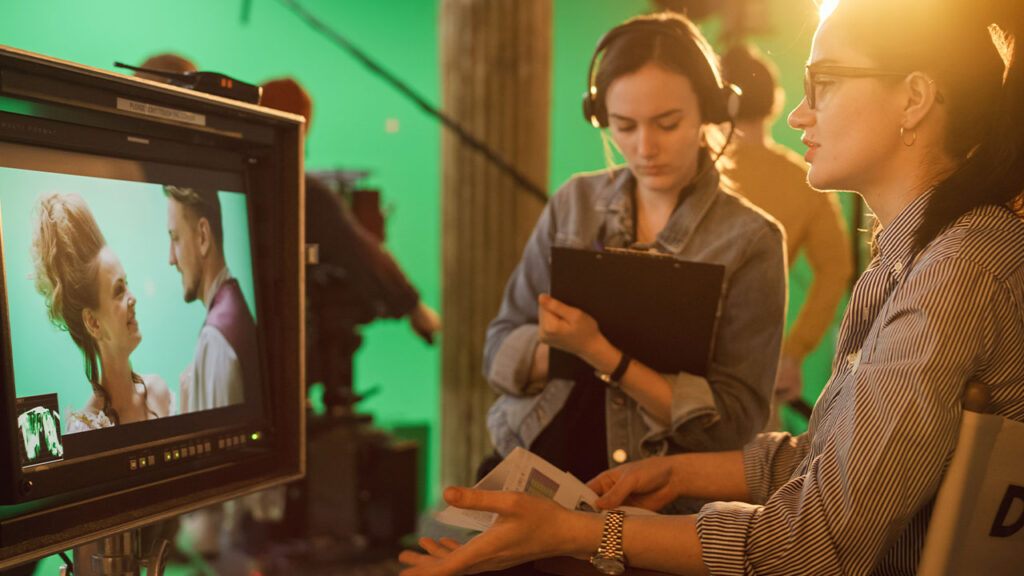
Without the 1st AD, the creative does not happen. Or it happens way behind schedule, causing considerable stress for the team and financial issues for the production.
However, if a director secures a good 1st AD for their production, their work as a director will be much smoother.
The 1st AD is the superhero that never gets on the top billing, but always should.